The Saree Atlas
Search
THE SAREE ATLAS · A CURATED BUYING COMPANION

The Collector’s Edit

Twenty exceptional sarees, each with its own character — and a sensible budget for a fine example.

Ten remarkable traditions to aspire to own, and ten choices matched to occasions and everyday life. Each card explains why the tradition belongs in a thoughtfully varied collection, what a fine example looks like, and a realistic budget for one named grade.

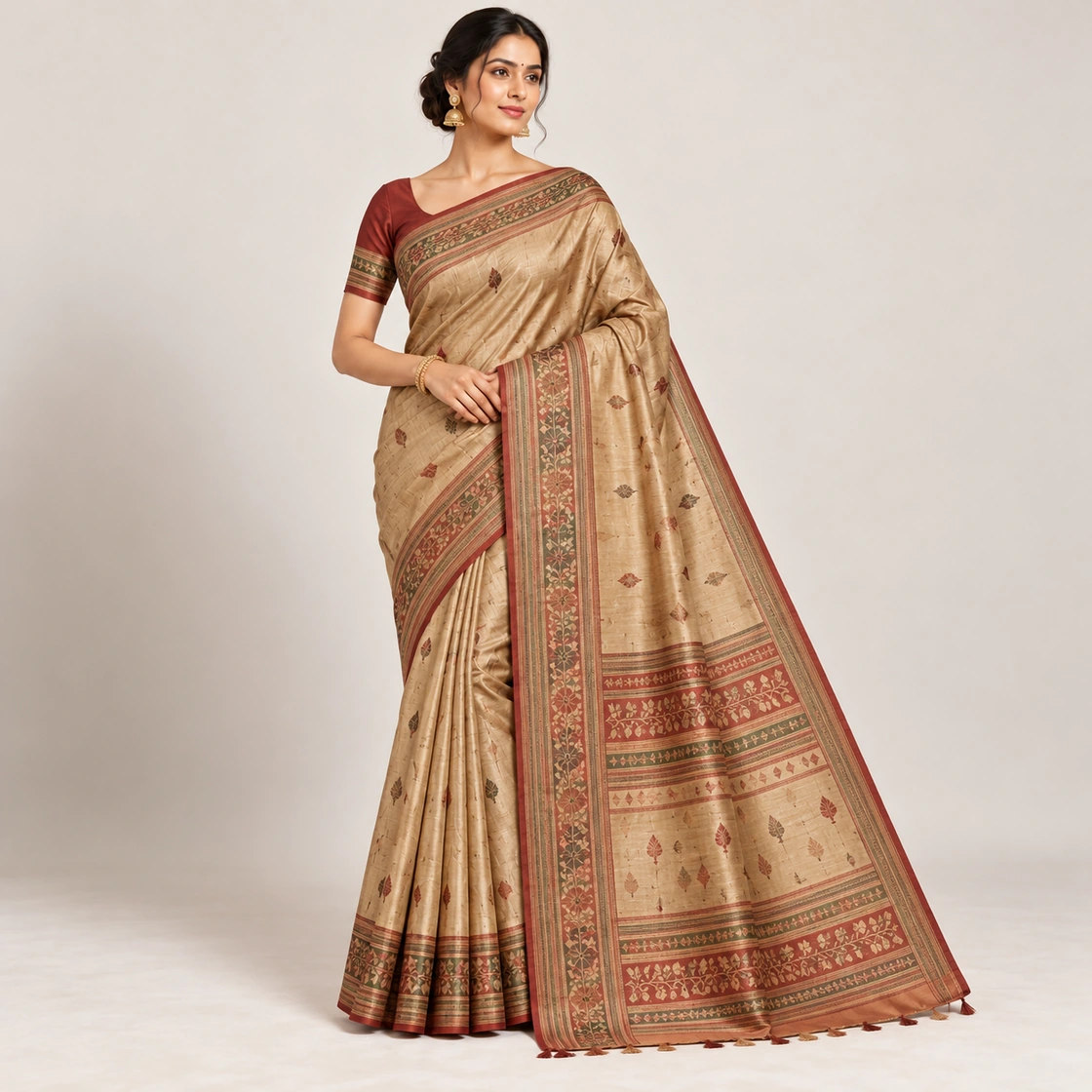
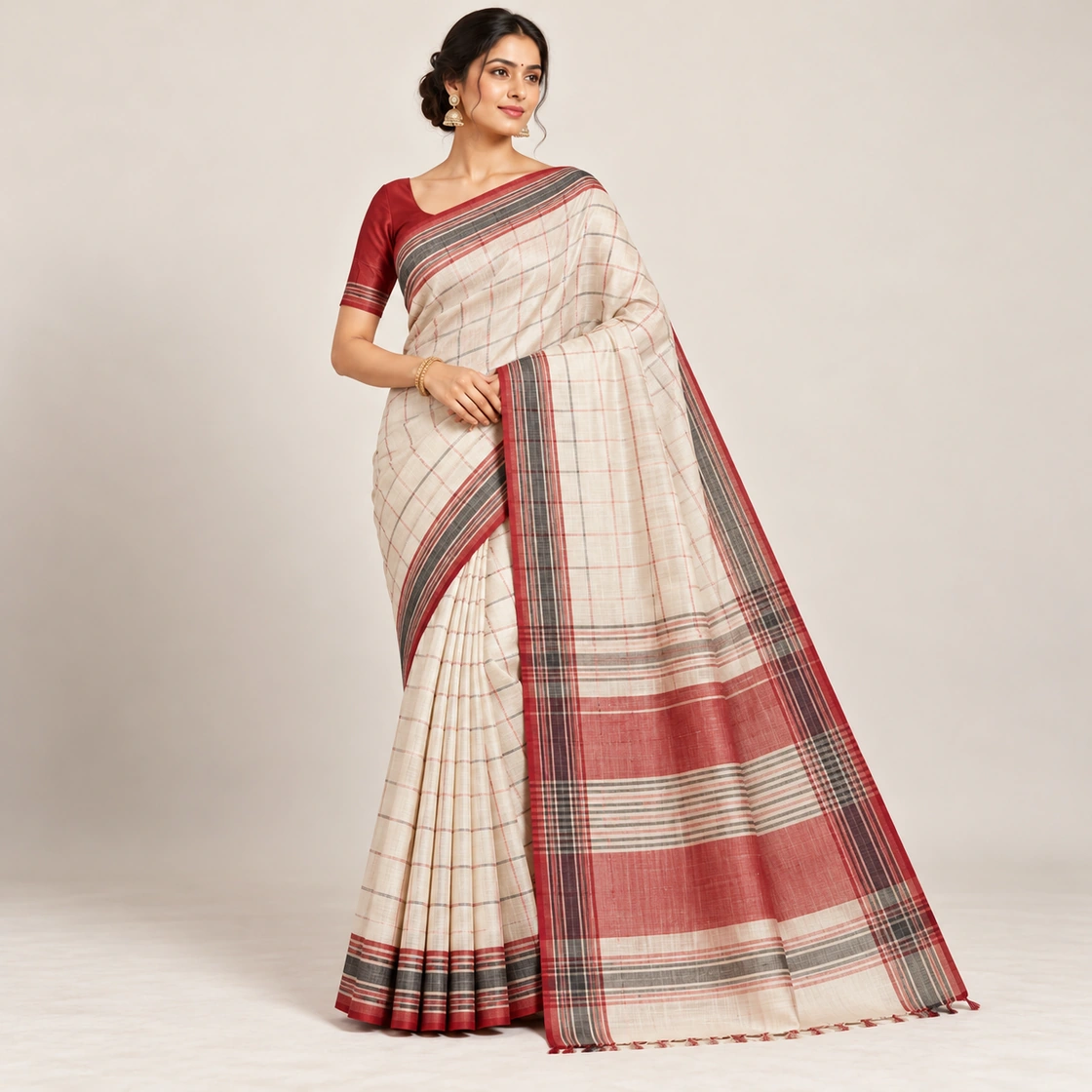
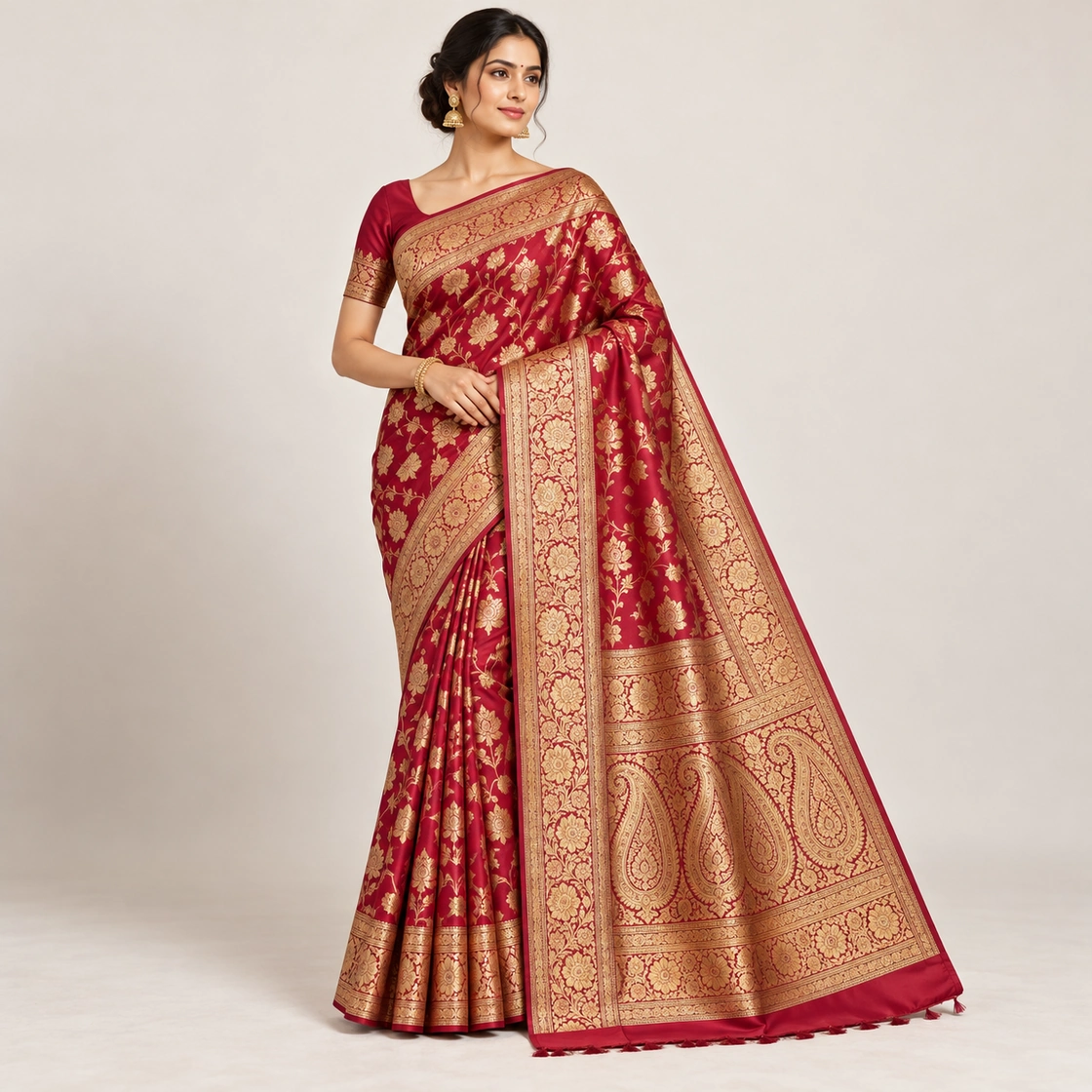
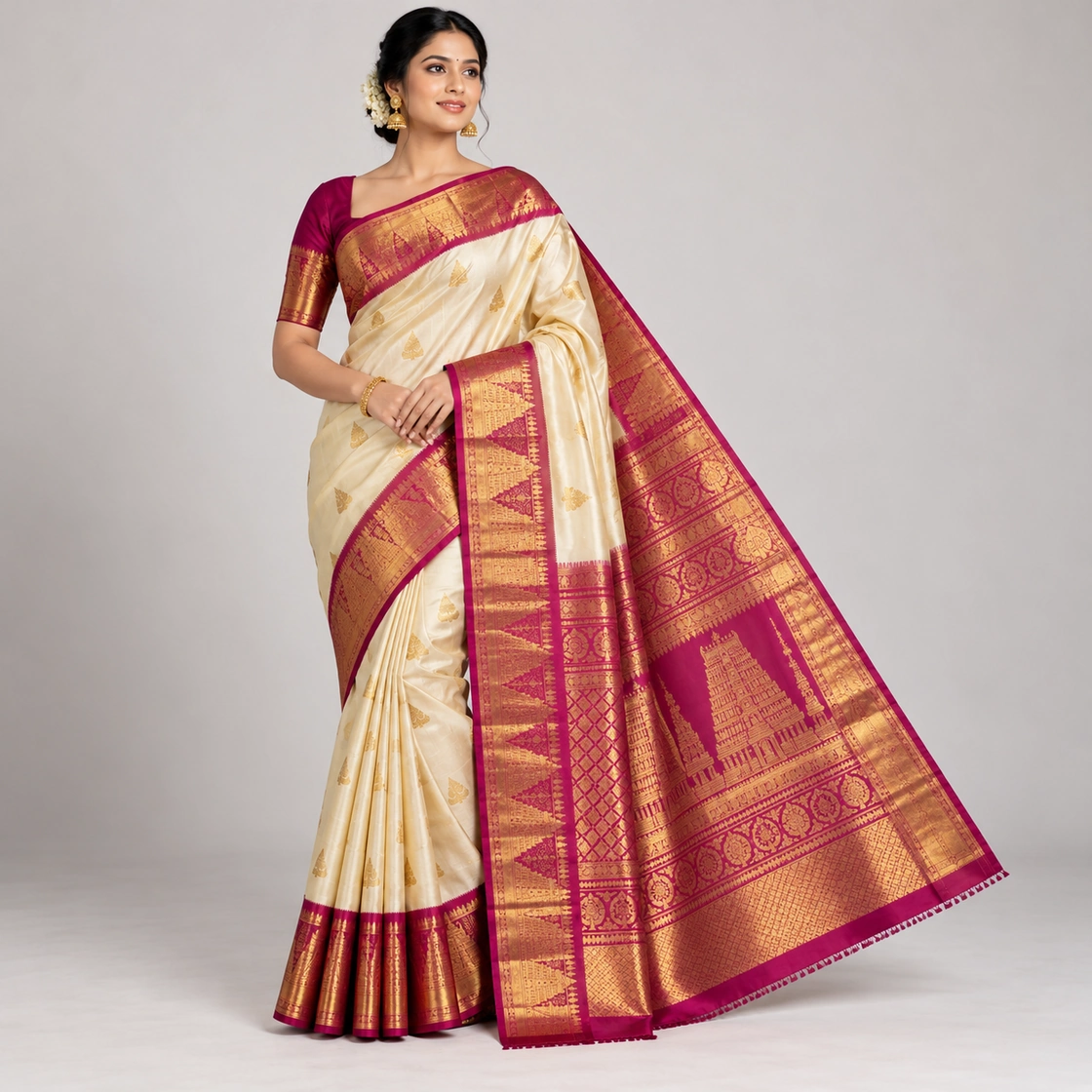
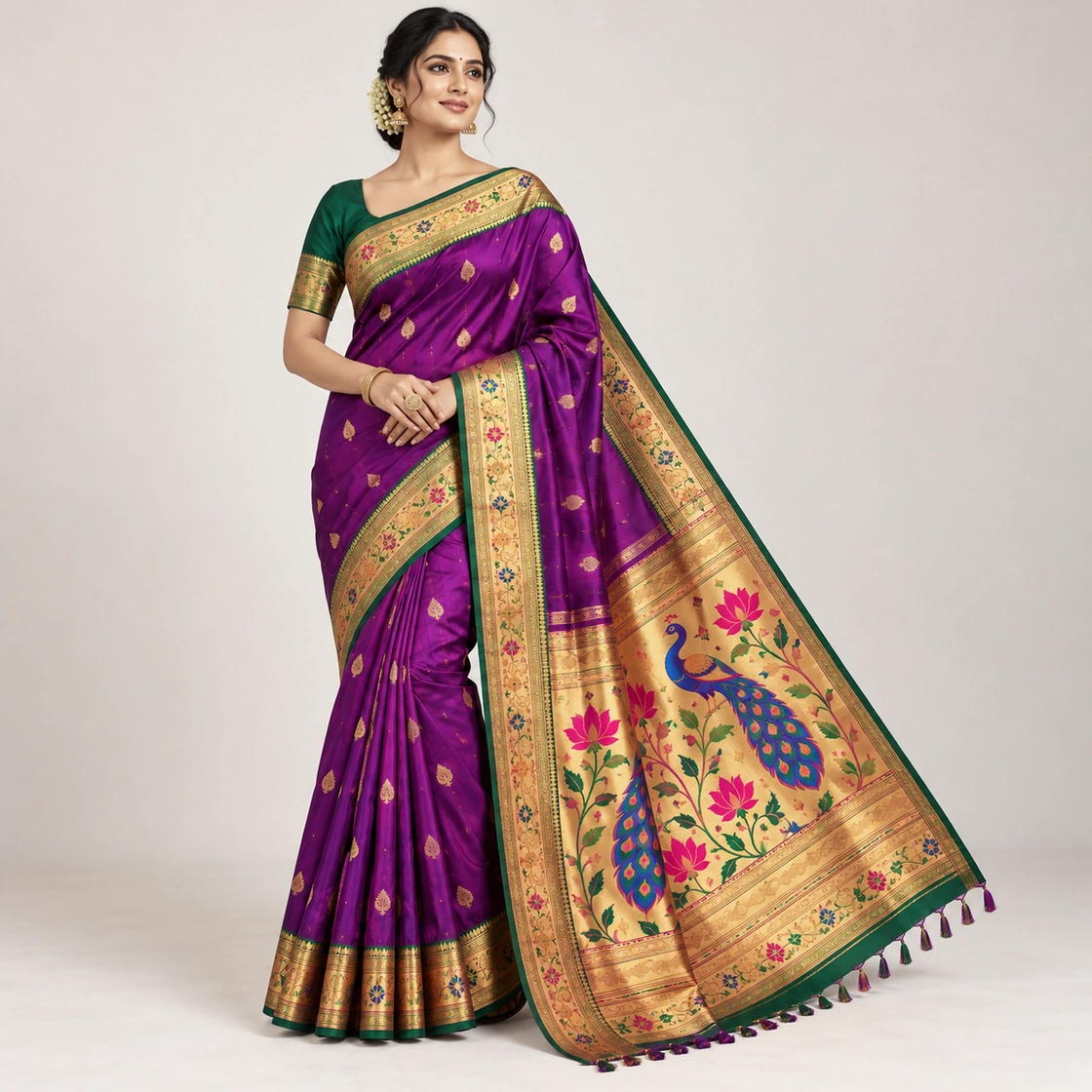
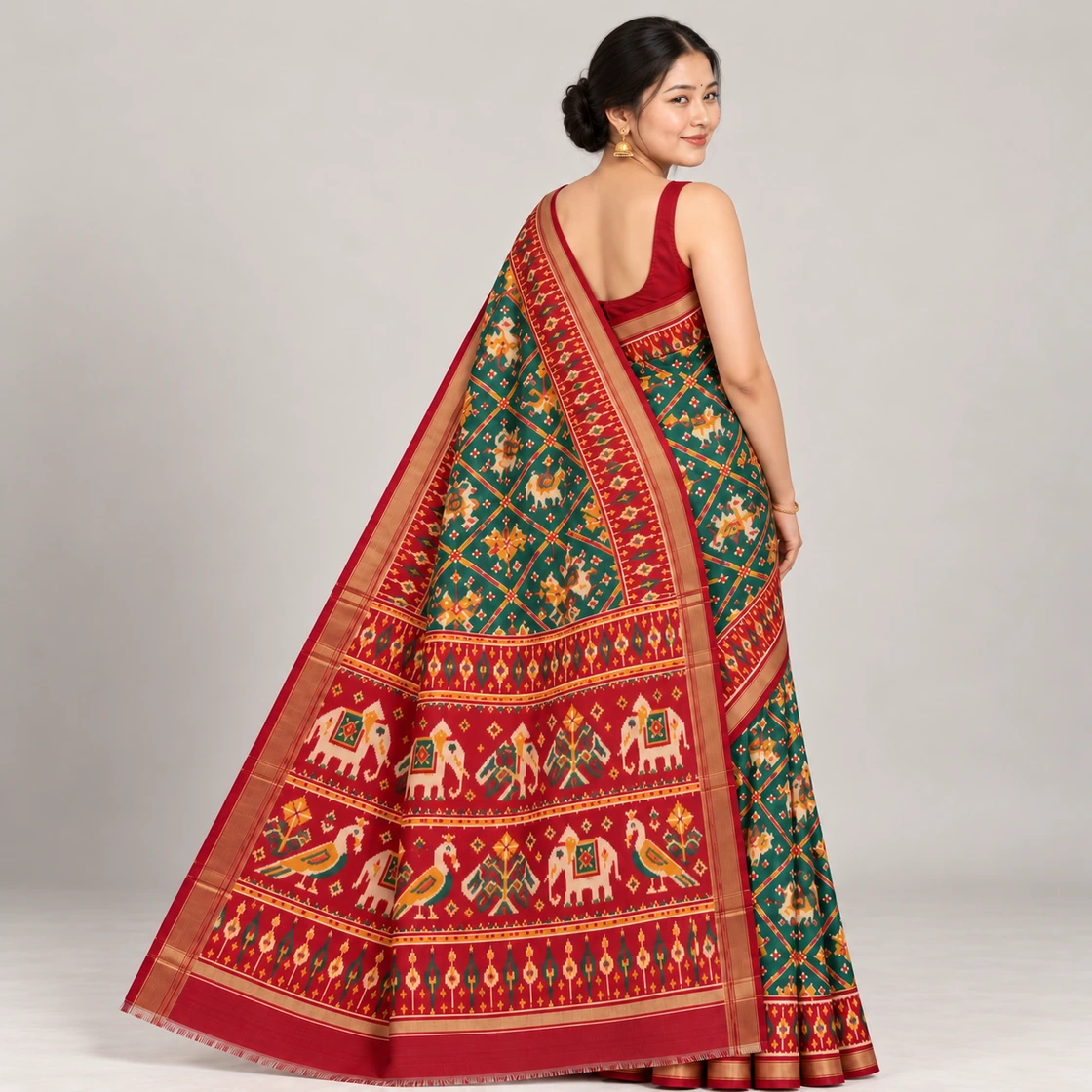
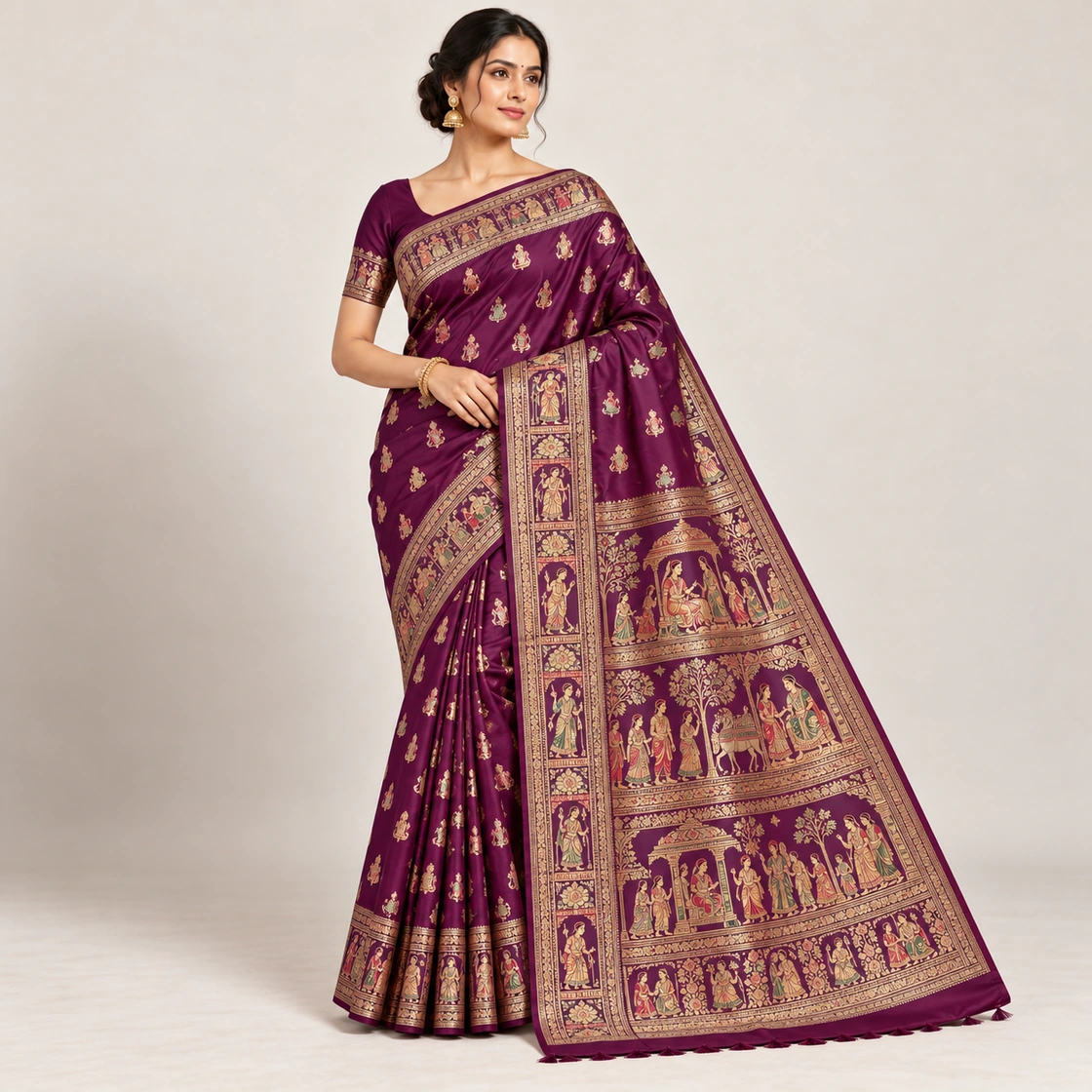
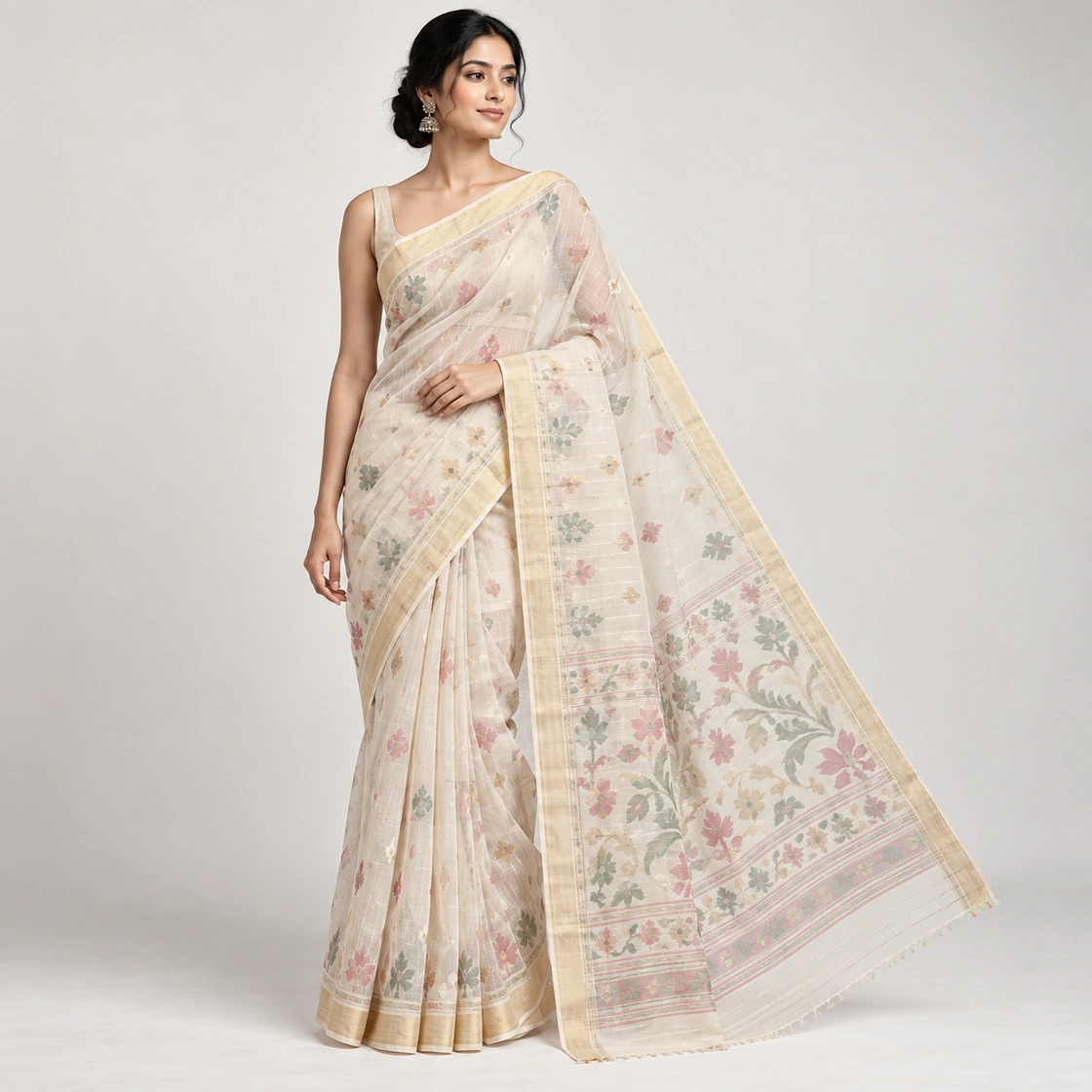
Illustrative Banarasi silk sareeIllustrative Kanjivaram silk sareeIllustrative Patola sareeIllustrative Paithani saree

How to read the prices. Every figure on the Atlas is an approximate, indicative budget for the grade named beside it — the fibre, how it is woven, the motif technique and the zari — drawn from Indian online retail in October 2026. It is not a quotation, a valuation or a ceiling, and a “+” means finer work is priced individually. The Regional Saree Atlas describes an accessible authentic grade, the Collector’s Edit a chosen, more distinctive grade and the Coveted Ten one exceptional variety, so the ranges teach a progression and can overlap. A cheaper listing may be a different fibre or a blend, a printed rather than woven design, power-loom work, a simpler design, different zari or simply unspecified. That does not make it fake or inferior, but it is not the same grade. Each card gives the collecting budget for its chosen grade, with the tradition’s broader Regional guide beside it. More on price and value →

Find your saree

Explore the curated picks by occasion and budget. Tap ♡ on any saree to keep it in your personal Wishlist.

Collection
Selected collecting budget

Explore our twenty selections.

Editorial examples with indicative budgets; choose the actual textile grade with your seller.

Budget filters show pieces whose good-quality target ranges overlap the selected bracket, including separately disclosed alternatives; an individual product may cost more or less.

TIER ONE · TEN TRADITIONS

Collector’s Signatures

The great names of Indian weaving: exceptional skill, cultural stature and a lasting place in any collection. Editorial selections, not a claim that these are objectively India’s ten most expensive sarees. For the single most distinguished expression of several of them, see The Coveted Ten.

Patan Patola — representative textile illustration, not authentication evidence
Gujarat · Collector’s Signature

Patan Patola

Two sets of resist-dyed yarn must meet precisely at the loom; patience and precision are the luxury.

A collection gains something no other textile supplies: a cloth whose design exists twice, once in each set of yarn, before it is woven. Patan Patola rewards a patient eye — the planning becomes visible only as you follow a repeat across the width — and its elephants, parrots, dancing figures and lattices carry a gravity that never feels merely decorative. It anchors Gujarat’s double-ikat tradition in a collection, and it is a piece to document as carefully as you wear it.

Indicative collecting budgetApprox. ₹1,25,000–₹1,75,000Grade represented: Selectively elaborate pure-silk Patan double ikat, with maker or workshop, origin and specification confirmed
Regional guide for the traditionApprox. ₹1,10,000–₹1,50,000 (its grade)
Distinct alternative
  • Rajkot single-ikat pure silk (alternative): selected budget ₹18,000–₹30,000. Single-ikat silk from an identifiable Rajkot producer, described as such A different textile from Patan double ikat, priced on its own terms.
What to look for & ask

At this budget: Pure silk with both yarn directions resist-patterned; a more elaborate design than the simplest documented motifs, coherent across the full saree; a named Patan workshop and origin confirmation. Complex multicolour masterworks are the Coveted Ten grade and are quoted individually.

Before buying: Ask which yarns were resist-patterned and which workshop made it. Double ikat is a technique and Patan a place — ask about each separately, and keep Rajkot single ikat as its own comparison.
Kanjivaram Silk — representative textile illustration, not authentication evidence
Tamil Nadu · Collector’s Signature

Kanjivaram Silk

Powerful silk, structured borders and a pallu with unmistakable ceremonial presence.

Kanjivaram teaches a collection about architecture: a body, a border and a pallu conceived as distinct parts and set in deliberate tension. Its contrast borders, temple forms and checks give South Indian ceremonial dress its unmistakable structure, and a well-chosen piece stays legible across a wedding hall. It belongs in a varied collection as the classic study in proportion — and, where korvai or petni is genuinely present, as a lesson in how colour zones are joined on the loom rather than sewn.

Indicative collecting budgetApprox. ₹25,000–₹45,000Grade represented: Handwoven pure-silk Kanjivaram with deliberately richer border and pallu work; zari grade stated individually
Regional guide for the traditionApprox. ₹18,000–₹60,000 (its grade)
What to look for & ask

At this budget: Handwoven pure mulberry silk with a substantial, well-drawn border and pallu; tested zari is acceptable when disclosed. Authentic silk-thread-border Kanjivarams start lower, in the Regional guide; heavy pure-zari bridal work is not promised at this budget.

Before buying: Ask about korvai and petni only if claimed, and have the seller point to each junction; ask for the zari grade in writing.

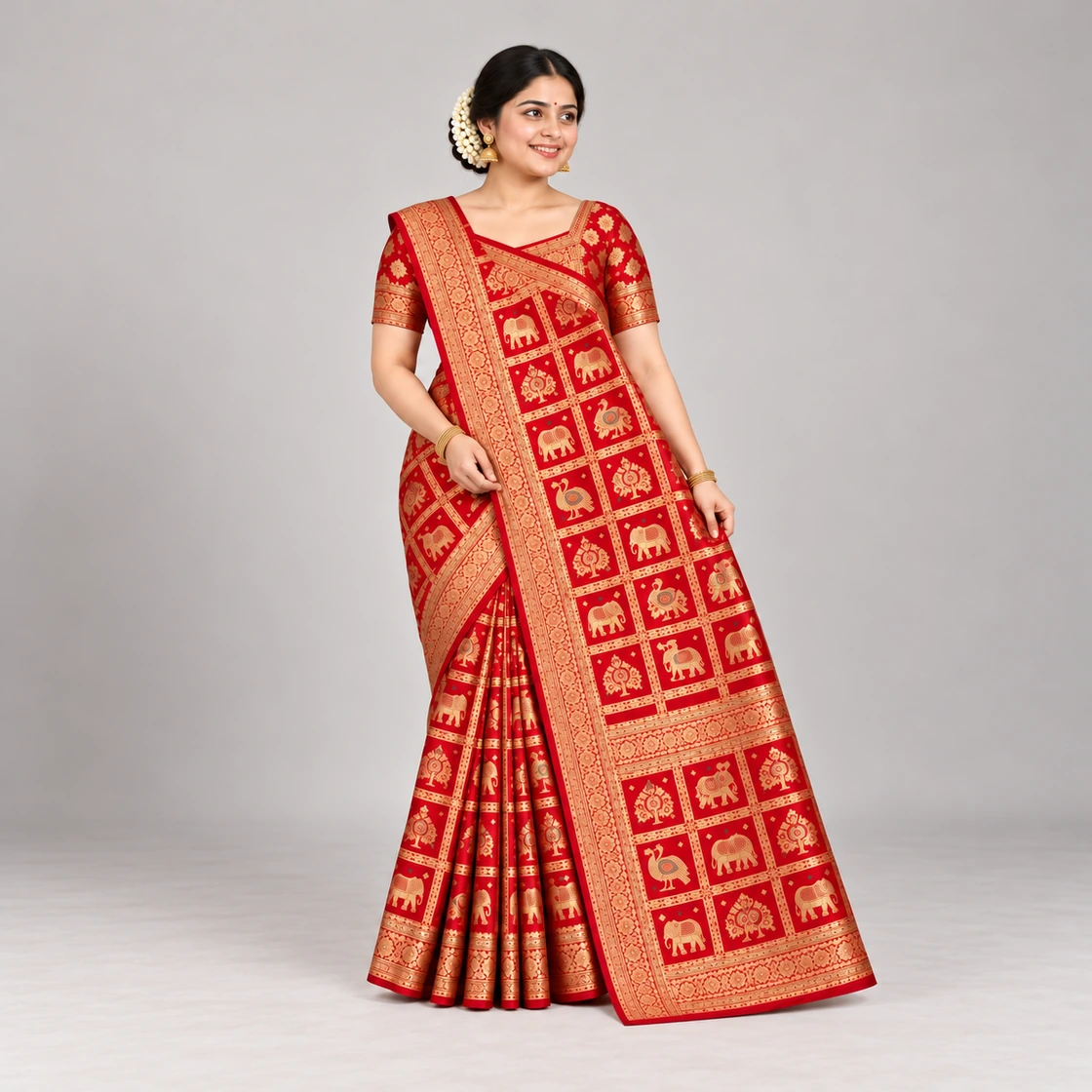
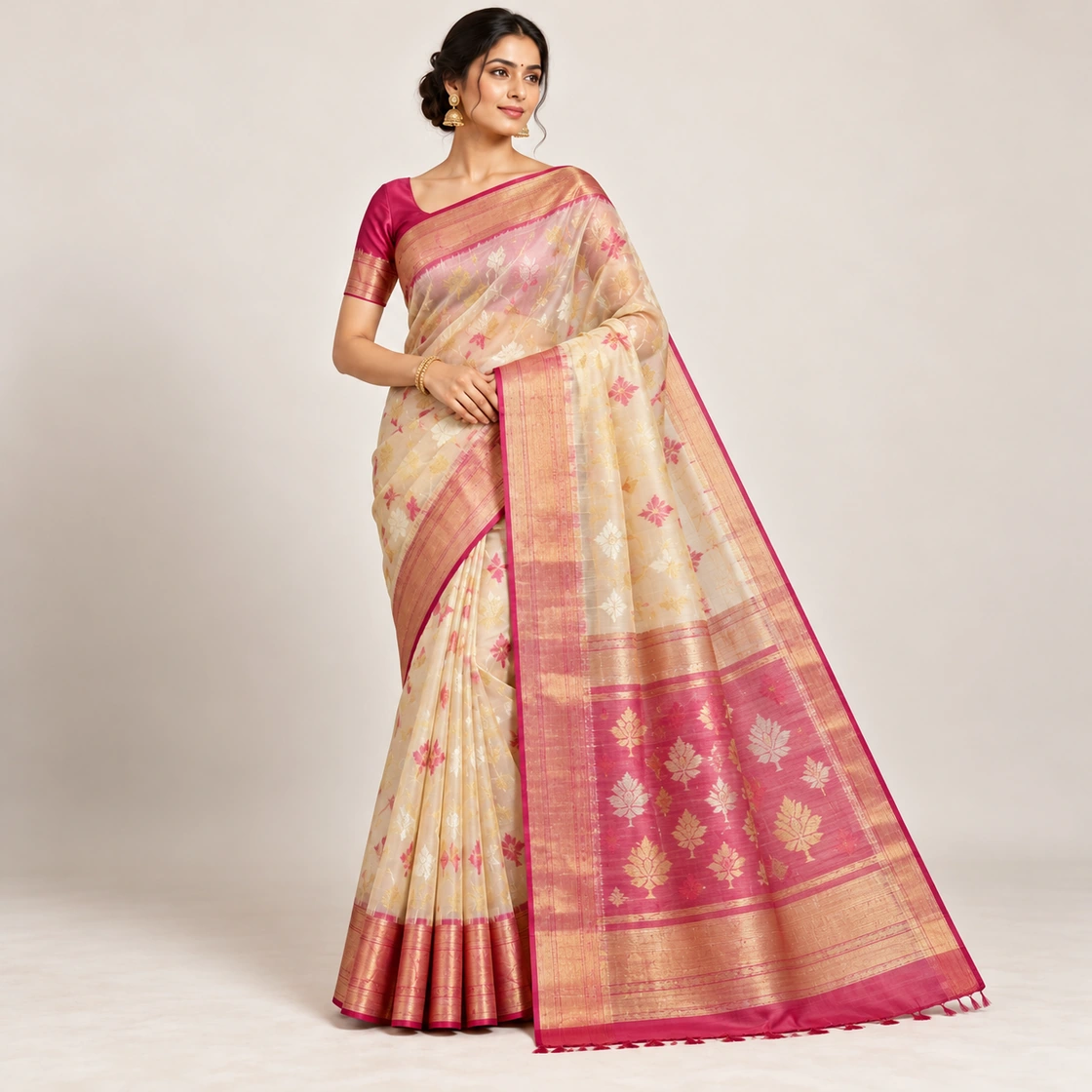
Banarasi Katan / Kadwa Brocade — representative textile illustration, not authentication evidence
Uttar Pradesh · Collector’s Signature

Banarasi Katan / Kadwa Brocade

Brocade at its most expressive: floral patterns that live in the weave rather than on the surface.

Banarasi brings the art of drawing with yarn. Its floral jaals, butis and vines descend from a long courtly vocabulary yet keep being redrawn, and a kadwa piece — each motif worked with its own length of pattern yarn — shows how much deliberation can sit behind a single flower. In a collection it is the brocade against which other ornament is measured, and it keeps company beautifully with quieter silks and cottons that let its pattern breathe.

Indicative collecting budgetApprox. ₹28,000–₹50,000Grade represented: Handwoven Katan silk with kadwa motif work; zari grade stated, precious metal not promised
Regional guide for the traditionApprox. ₹15,000–₹60,000 (its grade)
What to look for & ask

At this budget: Handwoven Katan silk with kadwa motifs in the areas that matter to you, attractive drawing and an honest zari specification. Genuinely lighter kadwa pieces can be found nearer ₹20,000; this budget represents a fuller selection.

Before buying: Katan describes the silk yarn and kadwa a way of working motifs — ask for both separately, ask which areas use which method, and confirm the zari content.

Paithani — representative textile illustration, not authentication evidence
Maharashtra · Collector’s Signature

Paithani

Its colourful pallu and intricate motifs make it an heirloom of design as much as silk.

Paithani adds pictures made at the loom. The peacocks, parrots and flowering vines of its pallu are built in returning coloured wefts, so the image and the cloth grow together, and on a dhoop-chhaon ground the whole saree shifts colour as it moves. It gives a collection Maharashtra’s ceremonial voice and a lesson in tapestry construction, and it rewards being unfolded and studied as much as worn.

Indicative collecting budgetApprox. ₹28,000–₹55,000Grade represented: Handwoven pure-silk Paithani with richer ordinary pallu work; zari type disclosed
Regional guide for the traditionApprox. ₹20,000–₹80,000 (its grade)
What to look for & ask

At this budget: Handwoven pure silk with a well-drawn bird or floral pallu and a balanced border; half-fine or tested zari disclosed rather than assumed.

Before buying: Ask how the pallu is made and whether its method differs from the body butis; obtain silk, loom and zari specifications. Pure-zari heirloom pieces are a separate budget.

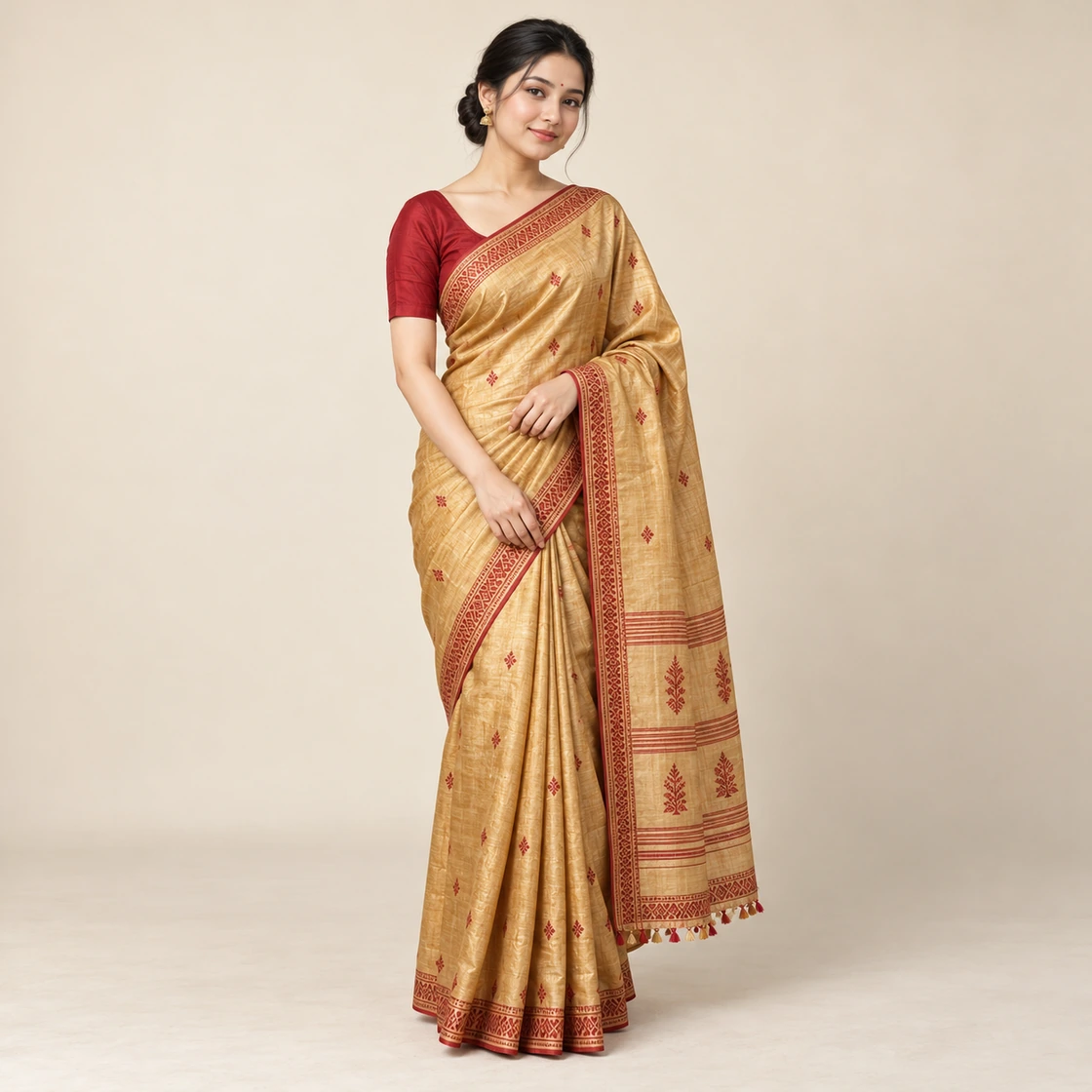
Baluchari / Swarnachari — representative textile illustration, not authentication evidence
West Bengal · Collector’s Signature

Baluchari / Swarnachari

A pallu that tells a story, with figures, scenes and ornamental panels woven into cloth.

A Bishnupur narrative pallu brings storytelling into a collection: framed panels of figures, processions and scenes that ask to be read rather than glanced at. Coloured-thread Baluchari and metallic-looking Swarnachari offer two moods of the same visual family — subtle drawing or emphatic reflection — and either keeps good company with abstract weaves. It is the piece people lean in to look at.

Indicative collecting budgetApprox. ₹14,000–₹25,000Grade represented: Handwoven silk Baluchari with a narrative pallu in thread work
Regional guide for the traditionApprox. ₹12,000–₹30,000 (its grade)
Distinct alternative
  • Swarnachari woven silk (alternative): selected budget ₹12,000–₹20,000. Handwoven silk with gold- or silver-toned narrative motif yarn; metal fineness not assumed
What to look for & ask

At this budget: Woven silk with crisp, readable figure panels and a sound ground; Swarnachari described separately rather than assumed superior.

Before buying: Ask what yarn makes the figures and how it is introduced, and open the whole pallu to follow the frames into their corners.

Fine Bengal Jamdani — representative textile illustration, not authentication evidence
West Bengal · Collector’s Signature

Fine Bengal Jamdani

Extra-weft flowers seem to float on air; the finest pieces reward a close look.

Fine Jamdani is the collection’s study in lightness. Its motifs are woven locally into an airy cotton ground, so pattern and air are composed together and the empty spaces matter as much as the flowers. Beside heavier silks it shows that refinement need not mean weight, and a well-chosen piece is a persuasive argument for cotton as a ceremonial material.

Indicative collecting budgetApprox. ₹12,000–₹25,000Grade represented: Elevated handwoven cotton Jamdani: selected handloom or handspun examples with refined figured work; not the Coveted fine-count muslin grade
Regional guide for the traditionApprox. ₹2,000–₹6,000 (its grade)
What to look for & ask

At this budget: A fine, even handloom ground, well-spaced woven motifs and a maker-stated yarn description. The finest handspun muslin, with exceptional figures, is the Coveted Ten grade and costs more.

Before buying: Ask how the motifs are inserted, what controls the pattern and how the loom is operated; ask which yarn, direction and system any count refers to.

Assam Muga Silk Saree — representative textile illustration, not authentication evidence
Assam · Collector’s Signature

Assam Muga Silk Saree

Its natural gold is a property of the fibre, not a colour chosen from a dye card.

Muga brings a gold that belongs to the fibre itself. A Muga-ground saree carries Assam’s sericulture and weaving heritage in its material before a single motif is added, and restrained ornament is often its most eloquent choice. It widens a collection beyond mulberry silk and teaches the difference between a golden cloth and gold-coloured decoration — a distinction worth owning.

Indicative collecting budgetApprox. ₹75,000–₹1,10,000Grade represented: Finer handwoven saree with a pure Muga-silk ground and well-executed border and pallu; Eri or other motif yarn and any zari disclosed
Regional guide for the traditionApprox. ₹60,000–₹1,00,000 (its grade)
What to look for & ask

At this budget: A full saree (not a mekhela chador) with a fine Muga ground and a well-executed border and pallu; restrained rather than ornate motif work is perfectly acceptable. Printed sarees marketed as Muga are a different product.

Before buying: Ask what fibres and silk species are in the warp, weft and motifs, and what any label actually verifies; golden colour alone cannot identify Muga.

Fine Silk Gharchola — representative textile illustration, not authentication evidence
Gujarat · Collector’s Signature

Fine Silk Gharchola

A Gujarati bridal textile where a precise gold grid meets the delicacy of hand-tied dots.

The Gharchola joins two crafts in one ceremonial garment: a woven grid of gold-coloured lines and hand-tied bandhani worked inside each square. It carries Gujarati wedding tradition with real specificity and brings the discipline of resist dyeing into a collection otherwise led by woven pattern. It is a piece with a clear occasion and a long memory.

Indicative collecting budgetApprox. ₹12,000–₹20,000Grade represented: Hand-tied Gharchola on pure or Gaji silk with a woven grid; zari type disclosed, no pure-zari promise
Regional guide for the traditionApprox. ₹8,000–₹20,000 (its grade)
What to look for & ask

At this budget: Hand-tied bandhani on pure or Gaji silk, a woven grid and a refined pallu, with the zari type disclosed.

Before buying: Ask whether the grid lines are woven and the dots hand-tied — each part separately — and for the exact zari specification.

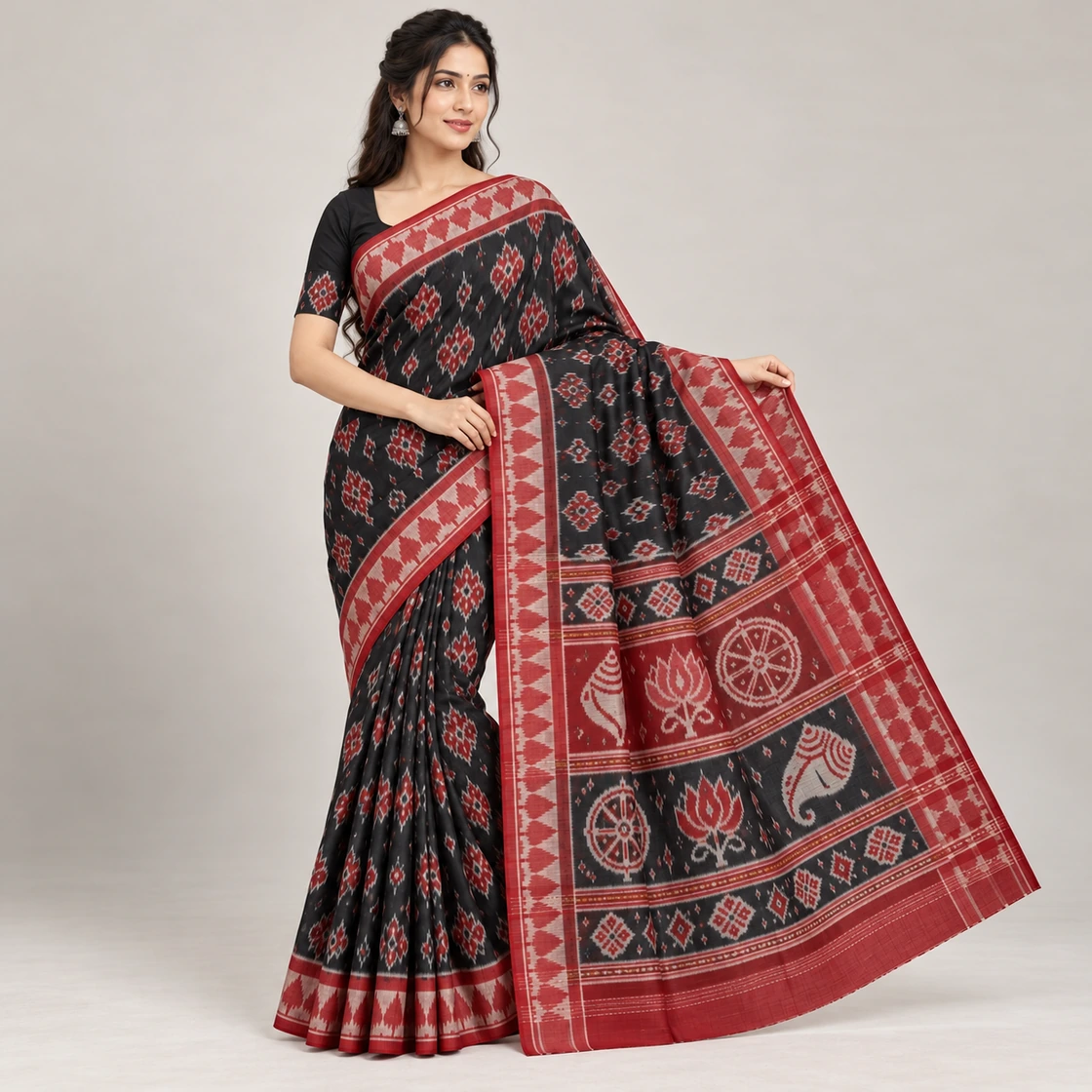
Fine Sambalpuri Bandha Silk — representative textile illustration, not authentication evidence
Odisha · Collector’s Signature

Fine Sambalpuri Bandha Silk

A wonderful counterpoint to brocade: the design is dyed into the threads before weaving.

Sambalpuri bandha is the counterpoint to brocade: the design is planned into the yarn before the loom, so motifs appear as the cloth is woven. Conch shells, wheels and flowers give it Odisha’s distinctive symbolic language. A fine silk piece brings the ikat principle into a collection on its own terms and shows how another resist-patterning tradition thinks about the same problem.

Indicative collecting budgetApprox. ₹18,000–₹30,000Grade represented: Handwoven pure-silk Sambalpuri bandha; single or double ikat stated by the maker
Regional guide for the traditionApprox. ₹5,000–₹30,000 (its grade)
What to look for & ask

At this budget: Pure handwoven silk with clear bandha motifs and a well-balanced border and pallu, distinct from cotton entry grades.

Before buying: Ask which yarns were resist-patterned and which effects are additional woven ornament; a silk name alone does not establish double ikat.

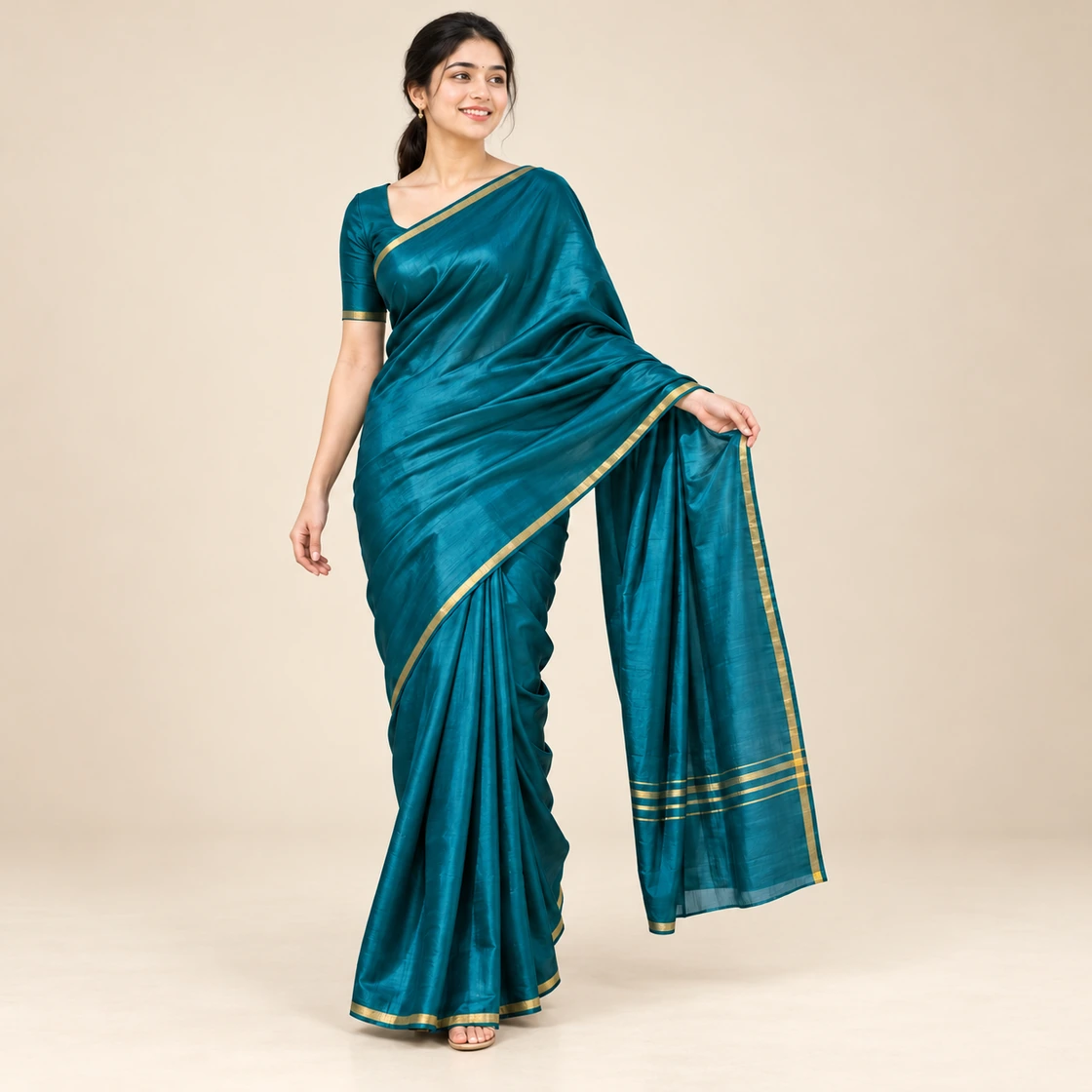
KSIC Mysore Silk — Pure Gold Zari — representative textile illustration, not authentication evidence
Karnataka · Collector’s Signature

KSIC Mysore Silk

Not every heirloom is ornate: its precise silk finish and authenticated gold zari speak softly.

A Mysore silk crepe brings restraint: a fluid, softly lustrous cloth with a slim border, valued for drape and finish rather than ornament. From an official KSIC source it also brings an unusually clear manufacturing identity. It gives a collection its quietest formal saree — the one that shows how much elegance can be achieved with almost nothing on the surface.

Indicative collecting budgetApprox. ₹30,000–₹65,000Grade represented: Official KSIC silk crepe with a selected zari border; the article and its zari specification confirmed
Regional guide for the traditionApprox. ₹8,000–₹60,000 (its grade)
What to look for & ask

At this budget: An original KSIC silk saree with its hologram and unique identity number, bought from KSIC or a verified outlet. The official catalogue and the colours in stock are two different things; confirm the article you want.

Before buying: Check the hologram and identity number against the invoice, and ask for this article’s zari specification rather than assuming pure gold.

A separate, discerning list

Heirloom Masterpieces

Ten specific variants — the most distinguished expressions of these weaves — and what makes each one exceptional.

Meet the Coveted Ten →

Your keepsake

My Saree Hall of Fame

Record the sarees you already treasure and receive a personalised, photographic keepsake.

Open my Hall of Fame →
TIER TWO · TEN TRADITIONS, BY OCCASION

Distinctive Traditions

Characterful traditions that are a joy to wear — each matched to the occasion it suits best, without losing the integrity of its regional craft.

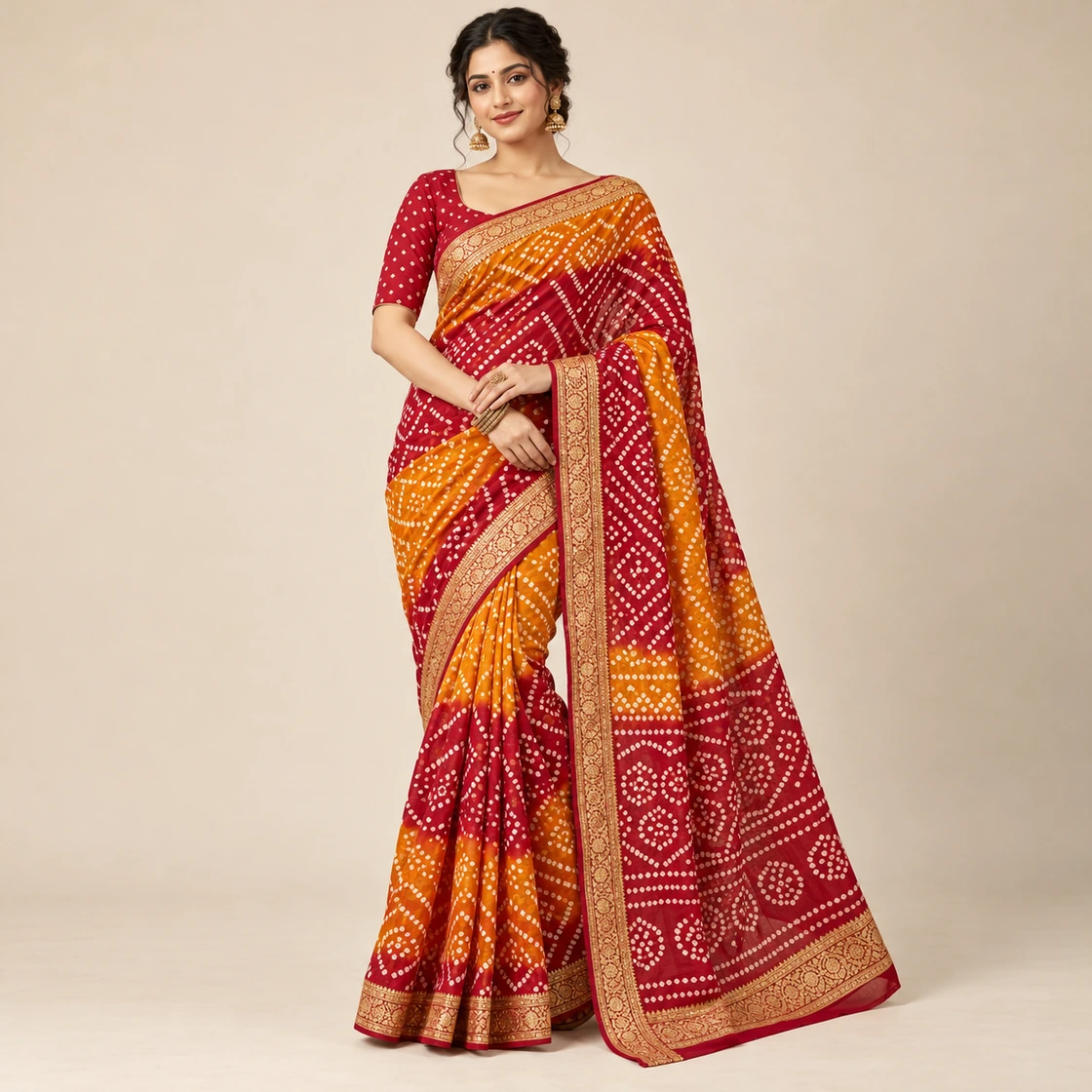
Wedding Guest — Fine Silk Bandhani — representative textile illustration, not authentication evidence
Gujarat / Rajasthan · Distinctive Tradition
Wedding Guest

Fine Silk Bandhani

Festive colour and individually tied resist dots, with ease of movement throughout the ceremony.

Bandhani brings colour made point by point: thousands of tiny bindings dyed into stars, waves and medallions. For a wedding guest it offers festivity with movement and lightness, and in a collection it stands for the living craft of Gujarat and Rajasthan’s tie-resist dyers — a different kind of patience from the loom.

Indicative collecting budgetApprox. ₹12,000–₹22,000Grade represented: Denser hand-tied bandhani on pure or Gaji silk; ordinary silk bandhani starts below this
Regional guide for the traditionApprox. ₹5,000–₹25,000 (its grade)
What to look for & ask

At this budget: Fine hand-tied bandhani on silk or Gaji silk with dense resist-dot work, good colour harmony and a documented fabric and border.

Before buying: Ask how the dots were made and whether the silk is pure, blended or Gaji silk; tiny irregularities alone are not proof.

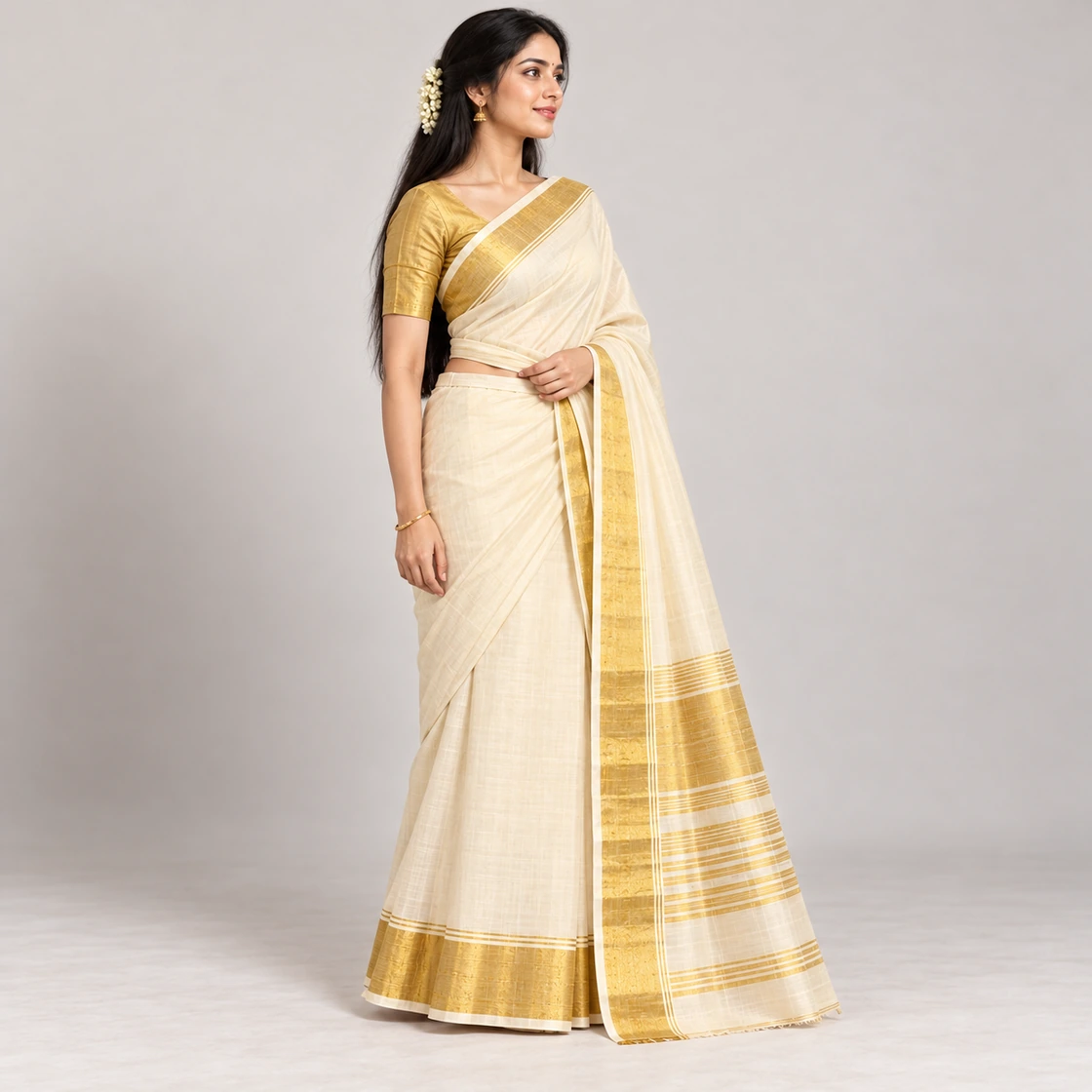
Festivals & Puja — Kerala Kasavu — representative textile illustration, not authentication evidence
Kerala · Distinctive Tradition
Festivals & Puja

Kerala Kasavu

Ivory and gold let an occasion feel special without overwhelming it.

The kasavu saree brings serenity: ivory cotton and a gold-coloured border, worn for festivals and puja across Kerala. It shows that a collection’s most meaningful piece can be its simplest, and that cotton can be ceremonial. Choose it for the quality of the cloth and the proportion of the border.

Indicative collecting budgetApprox. ₹4,000–₹9,000Grade represented: Handloom cotton Kasavu saree; border width and metal composition stated
Regional guide for the traditionApprox. ₹2,000–₹9,000 (its grade)
What to look for & ask

At this budget: A handloom cotton saree (not a two-piece set mundu) with a tidy border and adequate opacity; the border thread described, not assumed to be gold.

Before buying: Ask whether it is a saree or set mundu, where it was woven, and what the border thread contains.

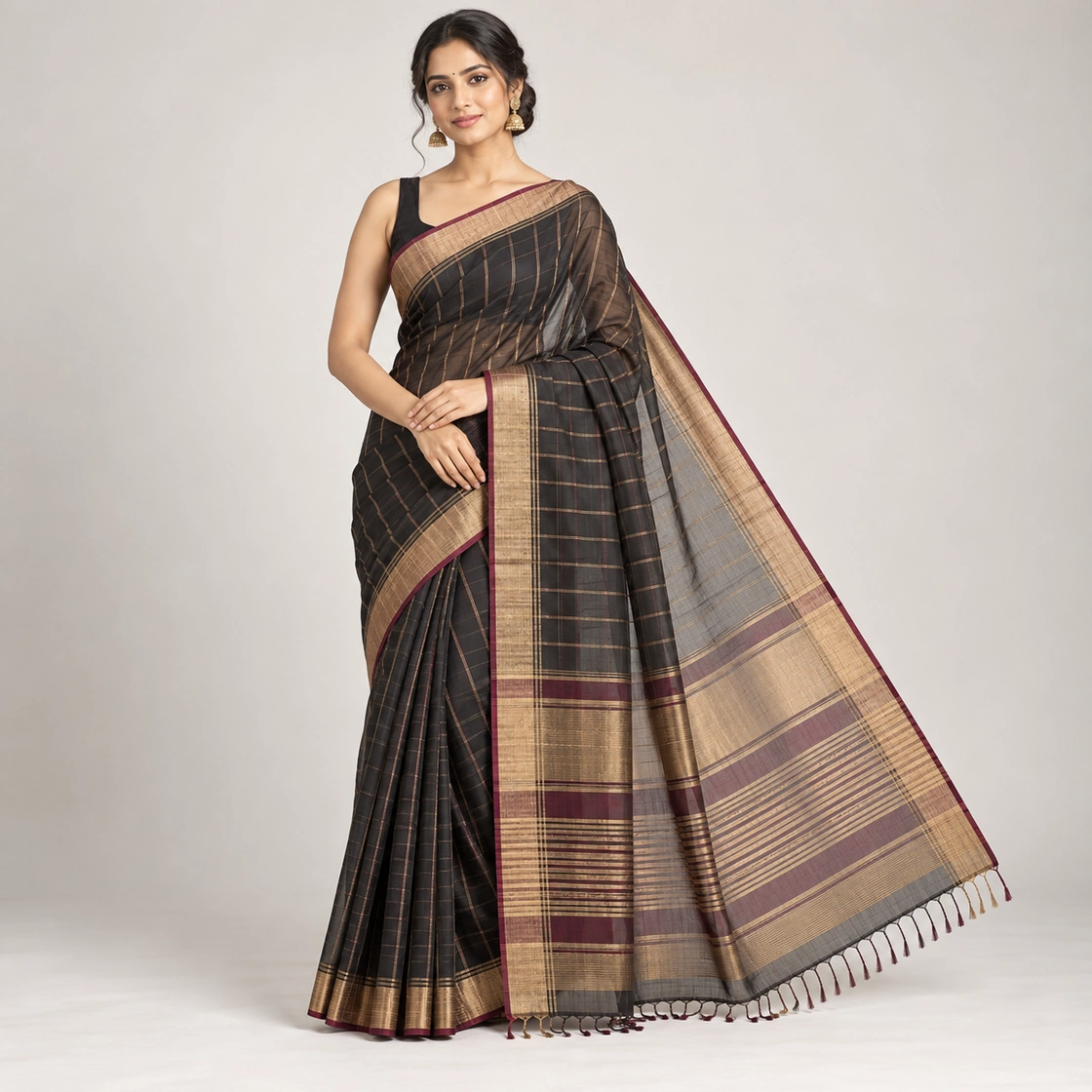
Office & Professional Wear — Maheshwari — representative textile illustration, not authentication evidence
Madhya Pradesh · Distinctive Tradition
Office & Professional Wear

Maheshwari

Neat stripes, a lighter hand and an understated polish that travels well through a workday.

Maheshwari brings composure to a working wardrobe: light silk–cotton, neat stripes or checks and a crisp border that carries a quiet polish from morning meetings to evening. It represents Madhya Pradesh’s revived handloom tradition and is one of the most wearable ways to make handwoven cloth part of daily life.

Indicative collecting budgetApprox. ₹4,000–₹8,000Grade represented: Handwoven Maheshwari cotton–silk with a restrained border
Regional guide for the traditionApprox. ₹4,000–₹8,000 (its grade)
What to look for & ask

At this budget: A light handloom silk–cotton (or disclosed cotton) with a clean geometric border, a soft practical drape and restrained zari.

Before buying: Ask whether it is cotton–silk or pure silk and whether it is handwoven; a reversible border is not proof of origin.

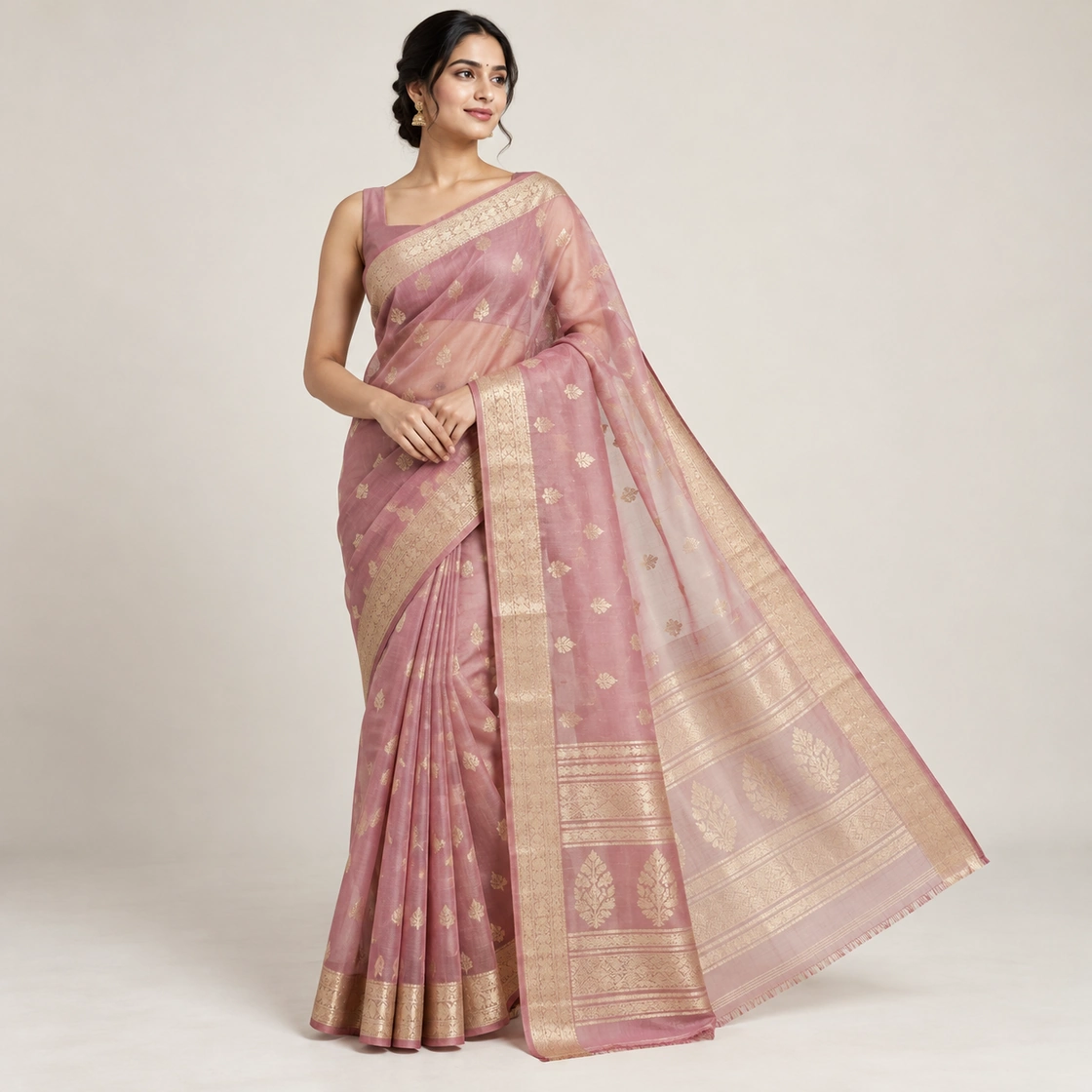
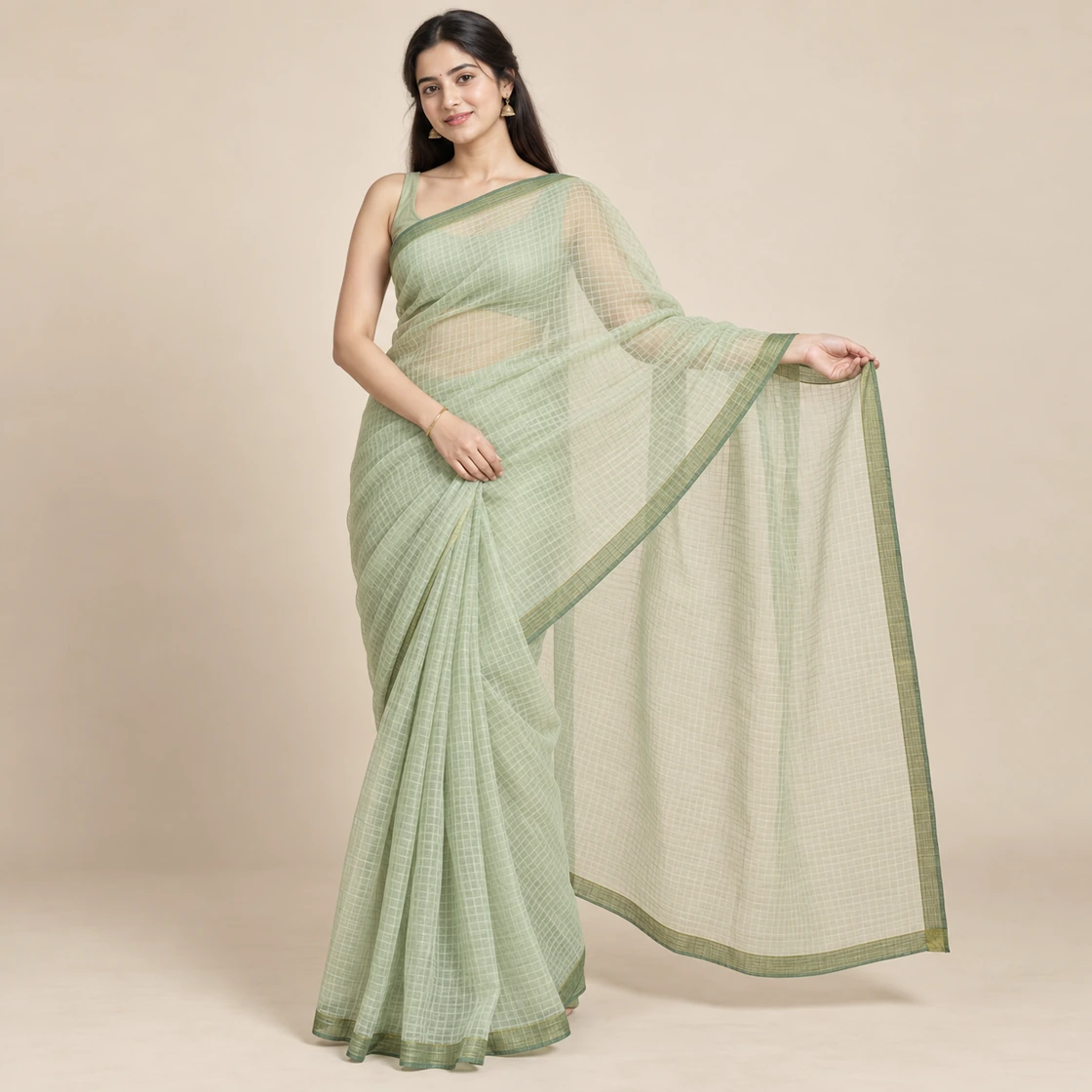
Summer Daytime — Chanderi — representative textile illustration, not authentication evidence
Madhya Pradesh · Distinctive Tradition
Summer Daytime

Chanderi

Fine cloth and quiet sheen bring dressiness without heavy weight.

Chanderi brings translucence. A fine silk–cotton ground with small woven butis gives summer daytime dressing a sense of occasion without weight. In a collection it stands for the art of the almost invisible: the most accomplished examples are judged by the evenness of their ground as much as by their ornament.

Indicative collecting budgetApprox. ₹5,000–₹8,000Grade represented: Handwoven Chanderi cotton–silk; blend and transparency disclosed
Regional guide for the traditionApprox. ₹4,000–₹8,000 (its grade)
What to look for & ask

At this budget: Light silk–cotton with a discernible woven texture, a tidy border and restrained zari; handloom confirmed on the exact piece. Pure-silk Chanderi is a separate grade.

Before buying: Ask which fibres are in the warp, weft and motifs, how transparent it is, and what lining or petticoat it needs.

Peak Summer Heat — Kota Doria — representative textile illustration, not authentication evidence
Rajasthan · Distinctive Tradition
Peak Summer Heat

Kota Doria

Airy, almost weightless texture makes hot days easier to dress for.

Kota Doria brings structure you can see through: the khat grid is part of the weave itself, which keeps the cloth airy in peak heat. It is a collection’s most practical summer piece and a small lesson in how construction, rather than print, can be the design.

Indicative collecting budgetApprox. ₹6,000–₹15,000Grade represented: Handwoven Kota Doria cotton–silk with an open khat construction
Regional guide for the traditionApprox. ₹6,000–₹18,000 (its grade)
What to look for & ask

At this budget: Handwoven cotton–silk with visible woven khats, a light finish and a modest border; pure-cotton Kota is a lovely lower-cost parallel.

Before buying: Ask whether the grid is woven or printed and whether the cloth is cotton–silk or all cotton.

Elegant Evening — Fine Uppada Jamdani — representative textile illustration, not authentication evidence
Andhra Pradesh · Distinctive Tradition
Elegant Evening

Fine Uppada Jamdani

Subtle lustre, a fluid drape and motifs that catch evening light.

Uppada brings Jamdani’s floating motifs to a light silk ground, so the pattern catches evening light rather than shouting across the room. It shows how a technique travels and takes on a regional voice in Andhra Pradesh, and it makes an elegant evening choice that never feels over-dressed.

Indicative collecting budgetApprox. ₹18,000–₹30,000Grade represented: Fine handwoven Uppada silk with supplementary-weft Jamdani motifs; zari declared
Regional guide for the traditionApprox. ₹6,000–₹30,000 (its grade)
What to look for & ask

At this budget: Lightweight Uppada silk with woven Jamdani motifs in the pallu or body, grade and zari declared — not plain Uppada silk.

Before buying: Ask how the motifs are inserted and how the loom is operated; a Jacquard attachment does not by itself mean powerloom.

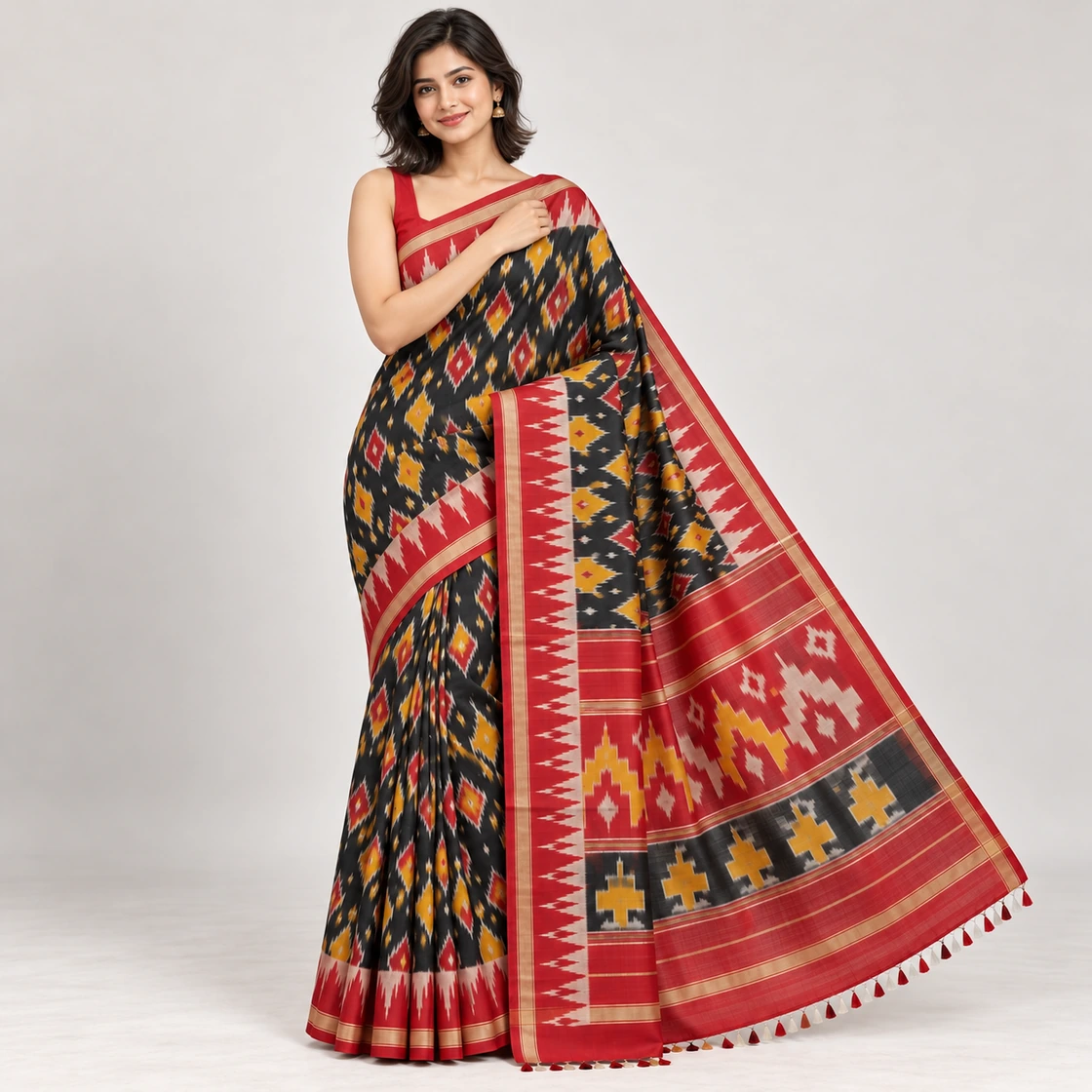
Work to Weekend — Pochampally Ikat — representative textile illustration, not authentication evidence
Telangana · Distinctive Tradition
Work to Weekend

Pochampally Ikat

Graphic patterns look confident at work and relaxed away from it.

Pochampally brings graphic confidence. Its resist-patterned geometry looks contemporary at the office and relaxed at the weekend, and its cotton and silk–cotton grades make ikat an everyday pleasure rather than a once-a-year event. In a collection it is the bridge between heritage technique and modern dressing.

Indicative collecting budgetApprox. ₹4,500–₹9,000Grade represented: Handwoven Pochampally ikat in cotton or silk–cotton, fibre stated
Regional guide for the traditionApprox. ₹3,500–₹20,000 (its grade)
Distinct alternative
  • Pure-silk Pochampally (alternative): selected budget ₹11,000–₹20,000. Handwoven Pochampally ikat in pure silk
What to look for & ask

At this budget: Handloom cotton or disclosed silk–cotton with clear resist-patterned geometry, comfortable from workday to weekend.

Before buying: Ask which yarn direction carries the pattern and confirm the fibre and loom; the price selector follows the fibre you choose.

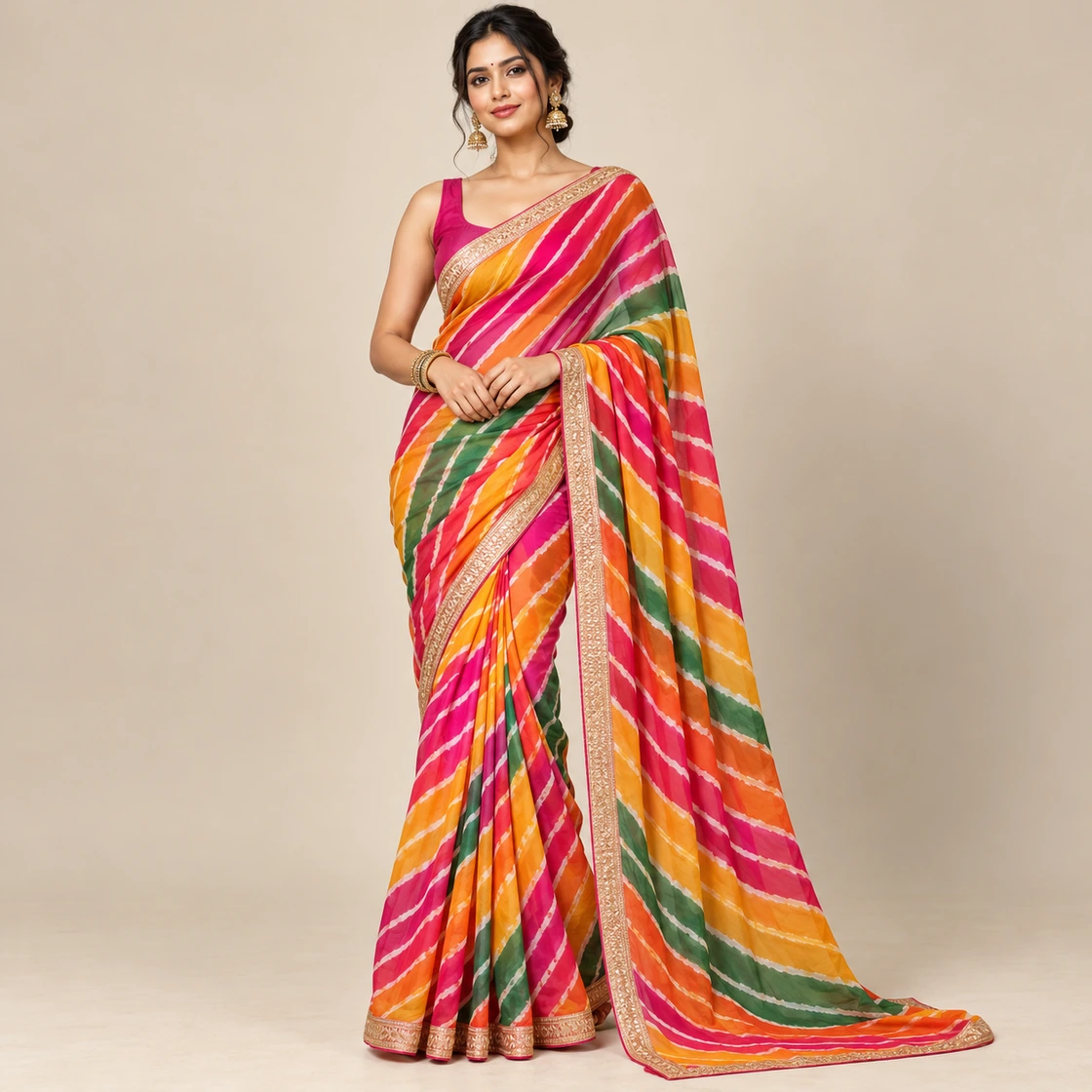
Teej & Festive Colour — Leheriya — representative textile illustration, not authentication evidence
Rajasthan · Distinctive Tradition
Teej & Festive Colour

Leheriya

Its diagonal waves express Rajasthan’s colour and Teej traditions.

Leheriya brings Rajasthan’s waves of colour, made by rolling, binding and dyeing the cloth on the diagonal. Worn for Teej and the monsoon festivals, it carries a seasonal meaning few textiles hold so clearly, and it belongs in a collection as the joyful counterpart to formal silks.

Indicative collecting budgetApprox. ₹5,000–₹12,000Grade represented: Hand-tied Leheriya on natural-silk chiffon or tussar, fibre named
Regional guide for the traditionApprox. ₹3,000–₹12,000 (its grade)
What to look for & ask

At this budget: Hand tie-dyed waves on a named natural silk, with restrained festive decoration.

Before buying: Ask whether the stripes were made by tying and dyeing the cloth or painted, brushed or printed afterwards; confirm the tying process, especially below boutique prices.

Cool-Weather Gatherings — Bhagalpuri Tussar — representative textile illustration, not authentication evidence
Bihar · Distinctive Tradition
Cool-Weather Gatherings

Bhagalpuri Tussar

An earthy texture with a calm richness that suits cool-season layering.

Tussar brings texture and warmth: a honey-toned silk with a natural surface and a calm, matte richness that suits cooler months and layering. In a collection it represents the non-mulberry silks and Bhagalpur’s long weaving culture, and reminds the eye that luxury can be quiet and tactile.

Indicative collecting budgetApprox. ₹6,000–₹12,000Grade represented: Genuine handloom tussar silk; spun ghicha can cost less
Regional guide for the traditionApprox. ₹4,000–₹12,000 (its grade)
What to look for & ask

At this budget: Handloom tussar with a characterful surface, assured fibre composition and a polished fall — not a blend marketed as tussar.

Before buying: Ask about tussar content in both directions and whether the yarn is reeled, spun or both; confirm origin if Bhagalpur is the point.

Everyday Cotton — Dhaniakhali — representative textile illustration, not authentication evidence
West Bengal · Distinctive Tradition
Everyday Cotton

Dhaniakhali

Comfort, simple borders and an honest cotton hand make everyday dressing enjoyable.

Dhaniakhali brings the everyday into the collection on equal terms: a durable Bengal handloom cotton with clean borders, made to be worn often. It shows that the right saree for daily life deserves as much thought as the heirloom, and that comfort and craft are not opposites.

Indicative collecting budgetApprox. ₹1,500–₹3,000Grade represented: Handwoven Dhaniakhali cotton of a weight suited to regular use
Regional guide for the traditionApprox. ₹1,500–₹3,500 (its grade)
What to look for & ask

At this budget: Practical Bengal handloom cotton with a clear woven border and a comfortable, durable weave; blouse piece not assumed.

Before buying: Ask whether it is handwoven and all cotton, border included, and how the maker advises washing it.

Before buying

Every image here is an illustration, not an authenticity certificate or a photograph of a product for sale. Textile names are routinely used for grades that vary drastically in fibre, zari and weaving method. A good price only makes sense after the grade is confirmed.

Most budgets here assume handwoven work. A handloom premium pays for a weaver’s time and skill — sometimes months for a single piece — so it should be supported by a Handloom Mark, a cooperative or producer label, or a clear line on the bill, not by the word alone. A fine powerloom saree is a perfectly good purchase at a powerloom price. For silk, a Silk Mark label supports the silk claim; it does not cover zari, the loom or regional origin.